Introduction
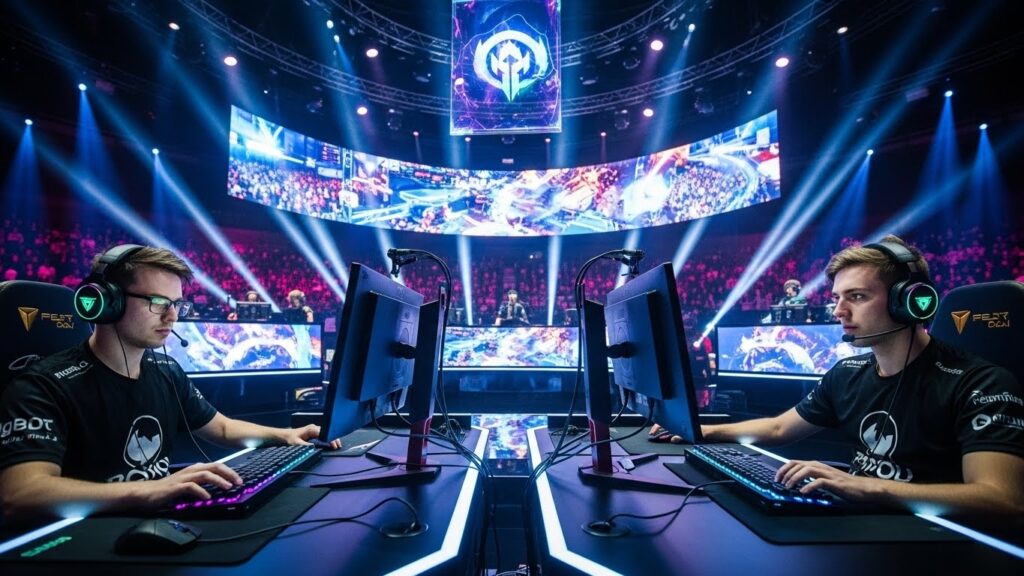
The world of competitive gaming, known today as esports, has grown from a small subculture into a global phenomenon. What once began as casual competitions among friends in living rooms has now evolved into a billion-dollar industry attracting millions of fans, professional athletes, and major sponsors worldwide. Esports is no longer just about playing games; it represents strategy, skill, entertainment, and business all rolled into one dynamic ecosystem. This blog explores the history, growth, culture, and future of esports, highlighting why it has captured the imagination of millions globally.
The Early Days of Competitive Gaming
Esports traces its roots back to the late 1970s and 1980s, when arcade games gained popularity. Competitions were small, local affairs, often focused on achieving high scores rather than defeating opponents directly. The famous Space Invaders championship in 1980 marked one of the first organized video game tournaments, drawing participants from across the United States.
With the rise of personal computers and gaming consoles in the 1990s, competitive gaming became more accessible. Local area network tournaments allowed players to connect multiple computers, competing in real-time strategy and shooter games. Titles like StarCraft, Quake, and Counter-Strike became early benchmarks for skill-based competition, laying the foundation for the modern esports industry.
The Growth of Esports as a Professional Industry
By the early 2000s, esports began its transition from niche hobby to professional industry. Online gaming enabled players to compete across countries, and streaming technology allowed fans to watch live matches from anywhere in the world. This accessibility attracted sponsors, advertisers, and media companies, fueling growth and legitimizing esports as a serious form of competition.
Today, esports organizations operate like professional sports teams. They hire coaches, analysts, nutritionists, and mental performance specialists to help players achieve peak performance. Teams compete in multiple leagues and tournaments, often with global audiences in the millions. Prize pools have grown exponentially, with some tournaments offering millions of dollars to the winners, rivaling traditional sports in terms of financial rewards.
Popular Esports Genres
Esports encompasses a wide variety of game genres, each attracting different audiences and requiring distinct skill sets. Some of the most prominent include:
Multiplayer Online Battle Arena (MOBA)
MOBA games like League of Legends and Dota 2 emphasize strategy, teamwork, and quick decision-making. Players must coordinate with teammates to control the map, defeat opponents, and achieve objectives. These games often have the largest esports audiences due to their strategic depth and engaging gameplay.
First-Person Shooters (FPS)
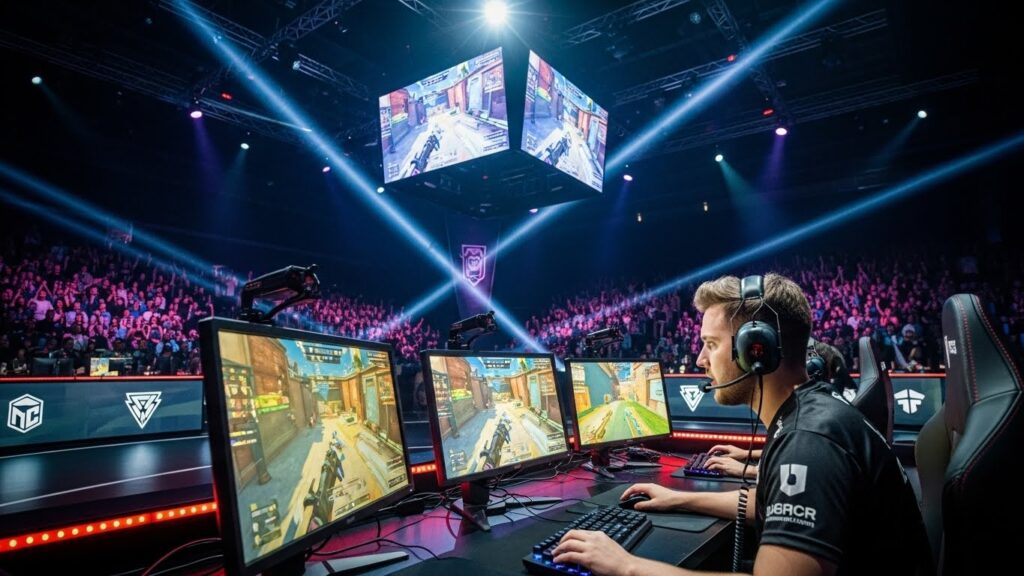
FPS games such as Counter-Strike: Global Offensive and Call of Duty require precision, fast reflexes, and tactical awareness. Matches are highly competitive, often determined by split-second decisions, making them thrilling for both players and viewers.
Battle Royale Games
Games like Fortnite and PUBG introduced a new format of competition focused on survival, resource management, and adaptability. Each match begins with a large number of players competing to be the last one standing, creating suspenseful, high-stakes gameplay.
Sports and Racing Simulations
FIFA, NBA 2K, and racing simulators appeal to fans of traditional sports while offering a digital competitive experience. These games blend real-world sports knowledge with technical skill, attracting a crossover audience from conventional sports.
Each genre fosters unique communities and fan bases, contributing to the diversity and richness of the esports ecosystem.
The Role of Streaming in Esports Popularity
One of the most significant factors in the rise of esports has been streaming technology. Platforms like Twitch and YouTube Gaming allow fans to watch tournaments, live matches, and casual gameplay in real-time. Viewers can interact with streamers through chat, creating a sense of community and engagement that traditional sports broadcasts rarely offer.
Streaming also provides exposure for aspiring players and content creators. Many professional players initially gained recognition through streaming before being recruited by top teams. This direct connection between athletes and audiences has redefined how sports entertainment operates in the digital age.
Esports and Community Culture
The culture surrounding esports is vibrant and multifaceted. Fans support their favorite players and teams passionately, creating dedicated communities online and offline. Social media, discussion forums, and fan art contribute to the shared experience of following esports.
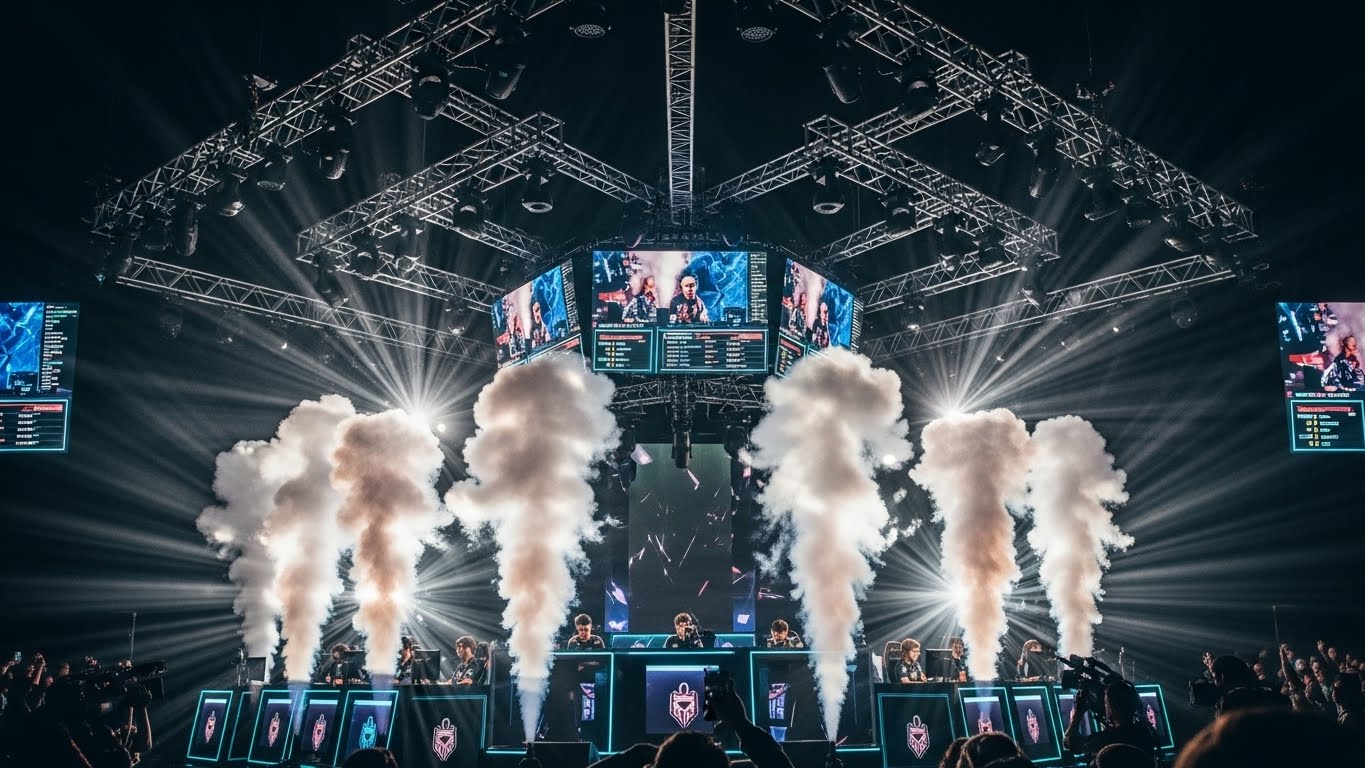
Events are more than competitions; they are social experiences. Tournaments often resemble festivals, complete with live music, cosplay, interactive exhibits, and merchandise booths. Fans have opportunities to meet players, participate in workshops, and celebrate their favorite games.
Inclusivity is becoming increasingly important in esports. Efforts to encourage participation from women, minority groups, and players from different regions are reshaping the competitive landscape, making esports more diverse and representative of global society.
Esports as a Legitimate Athletic Endeavor
There was a time when calling gamers athletes sparked debate. Today, the answer is clear: esports requires rigorous mental and physical discipline. Professional players train for hours daily, analyzing gameplay, developing strategies, and maintaining their physical health. Mental endurance, concentration, and quick decision-making are critical components of success.
Some esports athletes maintain strict fitness regimens, including exercises for reflex enhancement, posture support, and stress management. The professionalization of esports has led to the emergence of specialized coaching, nutrition planning, and mental performance guidance—similar to traditional sports.
Universities around the world now offer esports scholarships, further cementing its legitimacy as a competitive discipline and opening new opportunities for students.
The Economic Impact of Esports
Esports is a rapidly growing economic engine. Global revenue comes from multiple streams, including sponsorships, media rights, ticket sales, merchandise, and in-game purchases. Major tournaments contribute significantly to local economies, attracting visitors, generating tourism revenue, and boosting hospitality businesses.
Employment opportunities extend beyond playing. Analysts, coaches, content creators, event managers, journalists, and marketing professionals all play critical roles in the esports ecosystem. The industry offers diverse career paths that continue to expand as esports grows internationally.
Challenges Facing the Esports Industry
Despite its growth, esports faces challenges that need to be addressed. Player burnout is a significant issue due to long practice hours and high-pressure competitions. Maintaining physical and mental health is crucial for longevity in a career that often begins at a young age.
Fair play and regulation are ongoing concerns. With multiple leagues, tournaments, and governing bodies, establishing standardized rules can be complex. Issues like cheating, match-fixing, and toxic behavior require constant monitoring and enforcement.
Financial stability is another challenge. Smaller teams or emerging regions may struggle to secure sponsorships or consistent revenue, making long-term sustainability difficult without proper infrastructure and support.
The Future of Esports
The future of esports looks promising. Technological innovations like virtual reality, augmented reality, and artificial intelligence are likely to reshape competitive formats and training methods. Mobile gaming continues to expand accessibility, enabling players from developing regions to compete on a global scale.
Esports may also gain further recognition in international sporting events, solidifying its place as a legitimate form of competition. Educational programs and professional development initiatives will continue to grow, ensuring the next generation of players, analysts, and content creators are well-prepared.
As esports becomes increasingly mainstream, it is poised to influence entertainment, technology, culture, and business in ways previously unimaginable, bridging communities and creating opportunities worldwide.
Conclusion
Esports has evolved far beyond casual gaming. It represents a cultural, technological, and competitive revolution that engages millions of players and fans around the globe. Its rise reflects broader changes in entertainment consumption, digital connectivity, and professional sports. With continued innovation, inclusivity, and professionalization, esports is set to remain a defining element of modern culture, transforming how people play, watch, and engage with digital competition.
The digital arena has arrived, and esports is here to stay.